

Modern science is still discovering new things about female pleasure and health. For a long time, many women have struggled with vaginal dryness and physical discomfort. Doctors often try to solve this with chemicals or pills that affect the whole body.
However, there is a specific spot inside the body that can trigger a natural healing reflex. This area is known as the A-spot or the AFE zone.
By understanding the anatomy of this spot, we can unlock a natural source of moisture. It is a powerful tool for anyone practicing or receiving a yoni massage. This guide will show you how to find and stimulate this hidden erogenous zone. We will use the scientific research of Dr. Chua Chee Ann to explain how it works. Learning this technique can change how you experience intimacy and physical comfort.
The Discovery of Dr. Chua Chee Ann
In the 1990s, a Malaysian doctor named Chua Chee Ann began a very important study. He worked with hundreds of women who had chronic dryness and pain during intimacy. Dr. Chua wanted to find a way to trigger lubrication without using artificial gels. He focused his attention on the very top of the vaginal canal. This area is called the fornix, and it is where the vaginal walls meet the cervix.
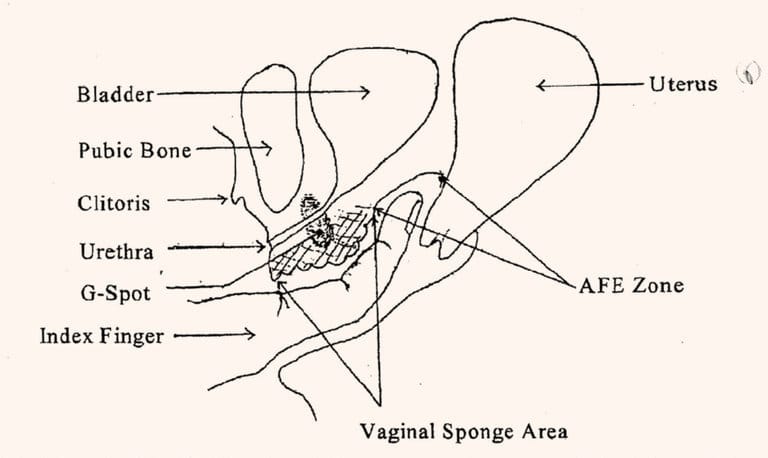
The fornix creates a small space that feels like a shallow pocket around the neck of the uterus. There are different parts to this structure, including the posterior, lateral, and anterior sections. Dr. Chua discovered that the specific area in the front responded best to touch. He named this place the Anterior Fornix Erogenous Zone, or the AFE zone. This pocket is the key to unlocking the body’s natural moisture system.
His research showed that touching this spot sends a direct signal to the pelvic blood vessels. This signal causes the tissues to swell and produce natural fluid almost immediately. Dr. Chua proved that the body has a built-in reflex for arousal that is very reliable. His work showed that two-thirds of his patients felt a significant change after just one session. This discovery provided a new path for women to reclaim their sexual health.
The Neurobiology of the AFE Zone
Dr. Chua believed that stimulating the A-spot is a way to “bypass the brain.” Usually, arousal starts with a thought or an emotion that travels from the mind to the body. However, the AFE zone works like a reflex, similar to how your leg moves when a doctor taps your knee.
The touch creates a direct physical reaction that does not require a complex mental state. This makes it a perfect tool for overcoming stress or mental blocks. This reflex arc is linked to the “vaginal sponge” tissue located near the urethra. When the A-spot is stimulated, it activates this sponge and fills it with blood. This process is called vasocongestion, and it is the physical foundation of sexual pleasure.
Because the reflex is so direct, it works even for women who are going through menopause. It provides a biological shortcut to deep physical readiness and openness.
Locating the A-Spot: Tactile Landmarks
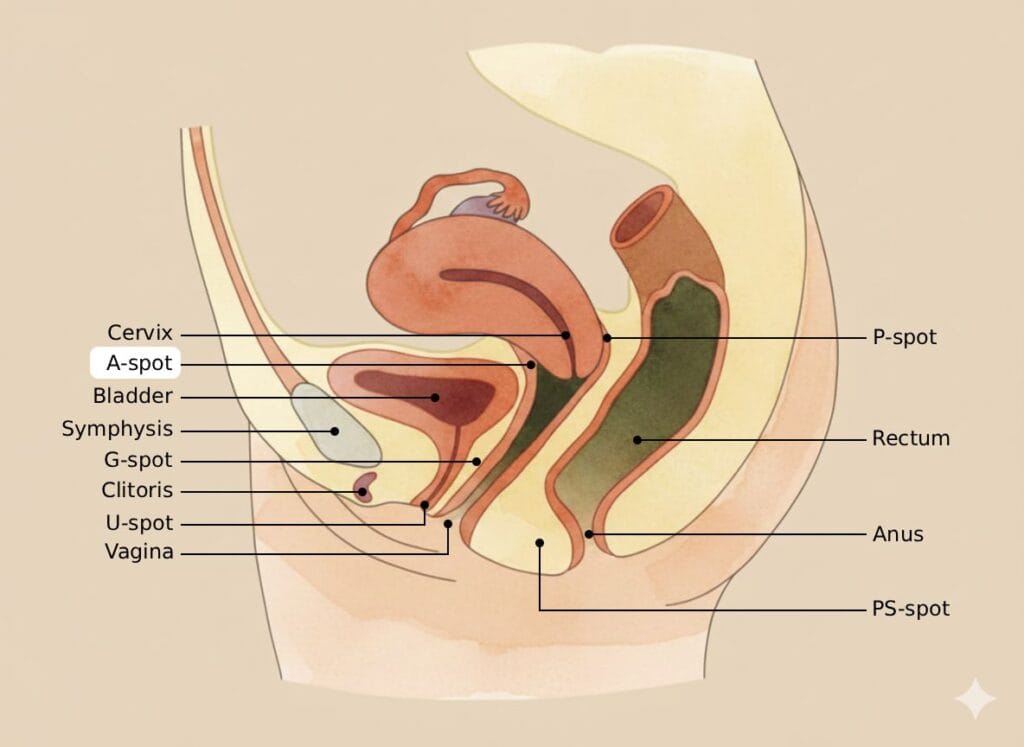
Finding the A-spot requires a gentle and attentive touch during a yoni massage. You must move deep into the vaginal canal toward the very top, near the cervix. There are two clear textures that help you know exactly where you are.
The upper wall of the vagina feels very soft and fleshy under your finger. Many people compare this texture to the inside of your cheek. As you move deeper, you will feel a much firmer structure, which is the cervix. The cervix feels solid and round, much like the tip of your nose.
The A-spot is located right where the soft “cheek” tissue meets the firm “nose” tissue. This junction is the sweet spot that Dr. Chua identified in his clinical research. You must identify these two landmarks to find the AFE zone every time.
The “change in texture” you are looking for is the immediate contrast between the yielding wall and the solid cervix. In many cases, this transition feels perfectly smooth, like moving your finger across a flat seam. However, for some, you may notice a thin horizontal cord or a tiny string-like ridge running from left to right. This variation is a natural part of personal anatomy.
Whether you feel a smooth edge or a delicate cord, the goal is to reach the exact point where the soft tissue ends and the firm structure begins. Reaching this boundary is what tells you that you have arrived at the AFE zone. Once you are at this specific meeting point of soft and firm, you can begin the precise movements for arousal. Understanding these subtle details makes the practice much more effective.
Preparation: The Softening Touch
Before focusing on the A-spot, you must prepare the surrounding tissues with care. Start by exploring the entire upper wall of the vagina with very soft, slow movements. This initial touch helps to warm up the blood flow and build a sense of safety. You should not rush straight to the deepest point without first waking up the nerves.
This preparation is a vital part of learning the map of erogenous zones for deeper pleasure. During this phase, keep your touch light and your movements predictable. The goal is to make the tissues feel safe and responsive to the practitioner’s hand. As the blood flow increases, the “cheek” tissue will begin to feel warmer and more receptive.
This softening process ensures that the deeper work on the A-spot will be effective. It creates a bridge between general relaxation and intense localized stimulation.
The "Come Hither" Technique for Point A
Once the tissues are ready, you can begin the specific stimulation of the AFE zone. Position your finger so that it is resting against the firm tip of the cervix. Apply a gentle pressure upward against the soft tissue of the anterior fornix. You will use a very short and precise motion that practitioners call the “come hither” move. This movement should be very small, moving only about half a centimeter at a time.
Gently press your finger against the firm cervix and then slide it slightly backward along the soft wall toward the vaginal opening. This motion moves toward the practitioner rather than deeper into the body. This tiny movement is enough to trigger the lubrication reflex without causing any discomfort. Detailed visual demonstrations of this depth and rhythm are available in our online yoni massage course for those who want to master the technique safely.
Repeat this short stroke with a steady and patient rhythm for several minutes. This technique is designed to be gentle but very focused on the specific nerve center. It is a subtle move that produces a very large physical reaction in the body.
Why the A-Spot is a Priority in Yoni Massage
In my experience, the A-spot is one of the most important zones to focus on. While the G-spot is more famous, the AFE zone often produces a faster and more intense reaction. It is a priority because it directly addresses the physical need for lubrication and comfort. Without enough moisture, the rest of the massage can feel less satisfying or even irritating.
By starting with the A-spot, you ensure the body is fully prepared for deeper work. This phenomenon is similar to how the P-spot and posterior fornix trigger deep lubrication, as both areas activate the same mechanisms of pelvic transsudation. Spending a lot of time on this small area can lead to a state of profound arousal. It acts as a gateway that allows the woman to sink deeper into her somatic experience.
Many women report that this spot creates a deep, “internal” sense of pleasure that feels very grounding. This is why I believe every yoni massage should include a dedicated focus on the AFE zone. It is a reliable path toward a highly sensitive and responsive state.
Dr. Chua’s Self-Exploration Technique
Dr. Chua also wanted women to be able to help themselves at home. He recommended a simple position where the woman squats or sits back with her knees pulled close. In this posture, she can easily reach the A-spot with her own index finger. She should use the soft pad of her finger to perform the same short, repetitive strokes.
This self-study helps her understand the mechanisms of pelvic sensitivity in a private setting. Dr. Chua suggested practicing this simple technique every day for at least one full week. Each session only needs to last about five to ten minutes to see real results.
This daily habit trains the nervous system to respond more quickly to touch over time. It gives the woman a sense of power over her own body and her own pleasure. Self-exploration is a key step toward becoming a more confident and aware partner.
Partner Involvement and Sex Therapy
Once a woman is comfortable with the A-spot, she can teach the technique to her partner. Dr. Chua believed that this should become a standard part of any couple’s intimacy. The partner must keep their nails short and their hands very clean to avoid any irritation. They can use the same “come hither” move to help the woman prepare for intimacy.
This practice removes the pressure to perform and focuses instead on biological readiness. By using the AFE zone as part of their routine, couples can overcome many common sexual issues.
It creates a shared language of touch that is based on scientific facts rather than guesswork. The partner becomes a supportive ally in the woman’s journey toward health and comfort. This collaborative approach builds a deeper bond and a much more satisfying sexual connection. It turns the act of lubrication into a moment of deep care and mutual respect.
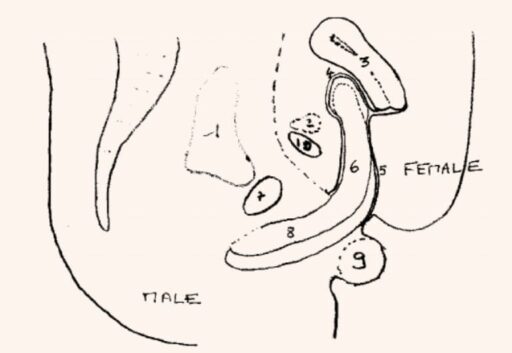
(1) Male bladder; (2) Female bladder; (3) uterus;(4) Anterior fornix; (5) Posterior vaginal wall (6) Erect part of the penis inside vagina; (7)Male pubis; (8) Root of the penis; (9) Testis; (10) Female pubis.
From article "Magnetic Resonance Imaging (MRI) of Sexual Intercourse: Second Experience in Missionary Position and Initial Experience in Posterior Position".
researchgate.net
The Path to Multiple Orgasms and Integration
The results of Dr. Chua’s study were truly impressive for the field of sex therapy. Over sixty percent of his patients reported a huge increase in lubrication and sensitivity. About fifteen percent of the women even experienced an orgasm during the very first session.
This proves that the A-spot is not just about moisture; it is a gateway to high-level pleasure. Many women find that stimulating this spot leads to multiple waves of release.
In a yoni massage, we use this intensity to help the body integrate new sensations. The high energy from the A-spot can be spread throughout the whole pelvic floor and the entire body. This integration is what makes the experience feel complete and transformative for the woman.
By honoring the science of the AFE zone, we respect the natural design of the human body. The A-spot is a powerful reminder that our bodies are wired for deep, healing pleasure.