

The human body is an active chemical space. It reacts to simple touch and pure presence. It also reacts to a true feeling of safety. In the world of body education and yoni massage, we must know about hormones. Knowing these inner chemicals helps us see the clear biological base of human touch. These chemicals do not work alone. They create a careful dance inside your body. This dance decides if we feel open or closed off to another person. By looking at the deep chemistry of intimacy, we can learn a lot. We can see how the body builds real sensitivity.
The Foundation of Safety Oxytocin
Oxytocin is often called the main hormone of deep trust. It is the chemical that creates a strong human bond. Your body releases it during warm skin contact and deep breathing. It also flows when you feel a strong emotional link with someone. Its main job in a session is to lower your stress levels. It tells your nerves that it is safe to relax completely. Without this calm chemical base, your body stays in a hard protective state. In a clean system, oxytocin lets the receiver feel a true sense of security. This is exactly why starting all the energy processes in the body requires a slow approach.
The Engine of Curiosity Dopamine
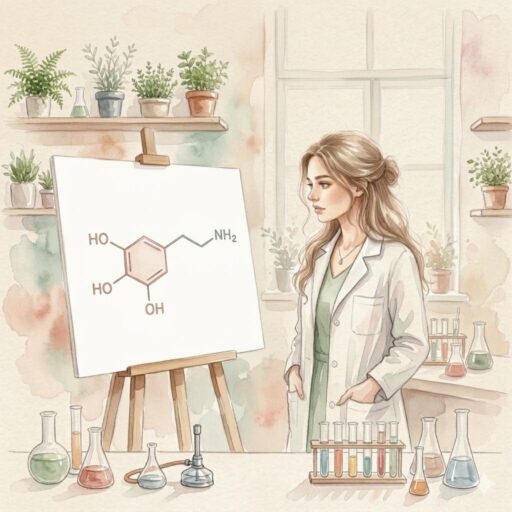
Oxytocin gives you a feeling of safety, but dopamine gives you motivation. Dopamine is the strong chemical of inner reward and happy waiting. It is the exact thing that keeps us curious about the world. It keeps our mind focused on the new feelings happening right now. During a session, dopamine helps the human brain stay fully engaged. It helps you notice the tiny shifts happening inside your own muscles. When a person is fully present and paying close attention, dopamine levels go up. This rise makes the whole experience feel very bright and deeply interesting. It stops the session from feeling boring.
Vasopressin and the Fluid Balance
Vasopressin is a unique body hormone that is closely related to oxytocin. However, it serves a completely different physical purpose in your daily life. Its main job is to control how your kidneys hold onto water. But something very interesting happens during times of high physical arousal and deep intimacy. During these warm moments, vasopressin interacts with the exact same brain paths as oxytocin. This internal action is highly complex and very important. It plays a huge role in how the human body manages its internal fluid levels. Understanding this careful water balance is a major key to body education.
Interaction of Hormones in the Body
A very interesting area of human study is how these two chemicals interact. We want to know how oxytocin and vasopressin mix during peak moments of touch. Some scientific ideas suggest that oxytocin levels can reach a very high point. When they do, they might fight for the exact same spots as vasopressin. This chemical fight can deeply change how your body processes water in the kidneys. This fast hormonal shift is often used to explain a common physical event. It explains why the bladder might fill up so quickly. This specific topic is explored in detail at brainsexuality.com.
The Internal High of Endorphins
As the massage moves forward and muscle tension melts away, the body changes. It may start to release a fresh wave of natural endorphins. These are the built in painkillers of your own physical system. They create a sudden sense of deep joy and pure physical ease. Endorphins help the human body process the good pain that sometimes shows up. This happens when old, chronic muscle armor is softened by warm hands. In a safe setting, releasing these endorphins is never a strict goal to chase. It is simply a natural result of the body doing its job. It happens when the nervous system completes a cycle.
Serotonin and Emotional Stability
Serotonin is the vital chemical that provides a long sense of well being. It gives you a feeling of deep satisfaction with your life. After a physical session, a healthy level of serotonin helps the receiver process the event. It helps them integrate their new feelings into their daily life. It provides the warm afterglow that can easily last for several days. While dopamine is all about the fast excitement of the current moment, serotonin is different. Serotonin is about the deep, quiet peace that follows the excitement. This chemical balance is absolutely essential for your mental health. It prevents the sad emotional crash.
The Importance of Biological Pacing
The healthy release of all these body chemicals depends entirely on proper timing. If the pace of a body session is too fast, the body reacts badly. It may produce sharp adrenaline instead of soft, calming oxytocin. This sudden shift triggers the classic fight or flight response in the brain. That stress response effectively blocks all the internal pathways to deep physical pleasure. Moving slowly is a strict biological rule during any kind of intimate learning. It is not just a nice idea; it is a physical must. A slow pace gives the body enough time to make a shift.
How Substances Block the Chemistry
The delicate balance of your internal intimacy chemicals is very easy to break. External chemicals and bad habits can ruin the entire process quickly. Alcohol and other strong substances interfere with how your brain receives oxytocin and dopamine. For example, drinking alcohol might temporarily increase your dopamine levels for a short time. But eventually, it numbs the entire nervous system completely. It prevents the natural and healthy bonding effects of pure oxytocin from taking place. This is exactly why a clean mind and a sober body are required. You need them if you want to feel the full physical spectrum of yoni massage.
Recalibrating the Hormonal Baseline
Regular body practice can actually help recalibrate your normal hormonal baseline over time. People who live in chronic daily stress often have very high levels of cortisol. They usually have very low levels of calming oxytocin. Through conscious touch and careful nervous system regulation, the physical body can learn. It learns how to access these feel good chemicals much more easily. This deep change is not just a temporary fix for a bad day. It helps build a much more resilient and strong nervous system. The brain learns to return to a state of calm very quickly after a stressful event.