

Somatic sensitivity is not just a mental state. It is a very real physical fact inside your body. The human body is wrapped in a complex web.
We call this deep tissue fascia. This web connects your toes to your head. Fascia is not just a dry net of strings. It is a living gel that holds lots of water. In the pelvic area, this wet web acts as a door.
When the tissue is soft, feeling flows like a river. Sensation moves freely through the wet gel. When the web is tight, the door closes fast. Water dries up and blocks the flow. Understanding this myofascial gateway helps you feel more. It is the first step toward true somatic health.
The Pelvic Web and the Water Gel
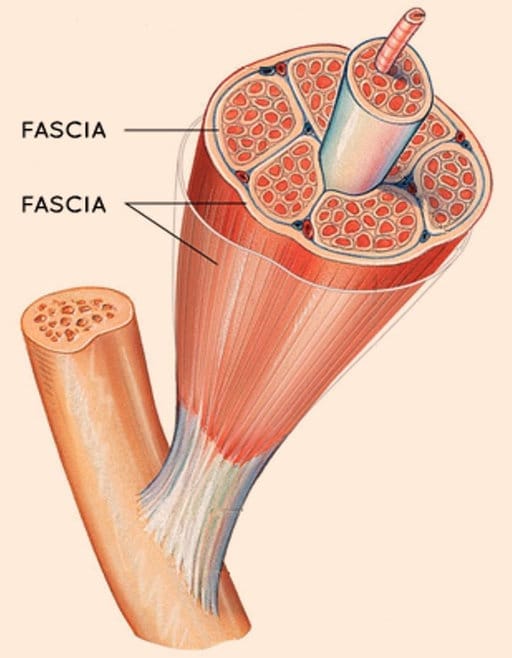
Fascia is a white tissue that hugs every muscle. It wraps around every nerve and organ inside you. The web is highly sensitive to touch and pressure. It contains many more nerve endings than your muscles do.
A healthy pelvic floor has a web that supports everything. When you relax, this web is fluid and very bouncy. The gel inside moves easily with your slow breath. It responds to every tiny shift in your body.
This specific pelvic web is the main path for pleasure. Keeping it like a wet sponge needs deep hydration. Water inside this gel lets your tissues glide smoothly. Staying wet keeps the inner web alive and well.
What Does Myofascial Mean
To fully grasp the myofascial gateway, let us break the word down.
The word “myo” refers directly to your muscles. “Fascia” describes the wet connective web. Inside your body, these two parts are never truly separate. They function together as one single biological system.
Think of your muscles as the raw physical power. Imagine the fascia as the soft network directing that power. When we discuss true myofascial health, we mean this exact link.
If the fascia is tight and dry, muscles cannot relax. A strained muscle makes the surrounding fascia very rigid. Healing happens only when both layers soften at the same time.

Yoni Trigger Points and Hidden Knots
Sometimes, the fascia and muscles develop small painful knots in the pelvic area. These tight spots are known as yoni trigger points.
They form as a direct result of chronic daily stress. Past trauma or long periods of physical tension create them too. A trigger point is like a tiny kink in a hose. It restricts the vital flow of blood to the area. Neural energy gets stuck behind this hard block.
These points make the soft tissue feel cold or hard. The tissue becomes totally unresponsive to any gentle touch. Identifying these hidden knots is essential for restoring natural flow. You must find them before you can melt them away safely.
The Physical Barrier to Deep Pleasure
When hard knots exist, they create a massive barrier to pleasure. The nervous system focuses entirely on the loud noise of tension. It ignores the soft quality of any gentle touch.
This big issue can easily lead to total physical numbness. A woman might feel completely disconnected from her own center. Even a very gentle touch can feel flat or quite annoying. The blocked gateway stops all the good feelings from growing.
Releasing this deep tension is never about using blunt force. Instead, it is about providing the right safe conditions. We want the tissue to soften and let the water back in.
Elasticity Versus Stagnant Rigidity
Healthy bodily tissue is always defined by its high elasticity. This means the tissue can stretch and return to its shape. Rigidity is a clear sign of dry and stagnant fascia. Rigid tissue feels heavily armored and highly defensive against touch.
This deep rigidity comes from dealing with different forms of stress. The physical body tries to protect itself from perceived threats.
To unlock true sensitivity, we must change this stuck state. We must guide the tissue from deep fear back into elasticity. Good hydration helps the gel become soft and highly receptive again. Your body needs safety to let go of the rigid armor.
The Deep Vagus Nerve Connection
The actual state of our fascia links closely to the vagus nerve.
This specific nerve controls the rest and digest response. When the vagus nerve is active, the fascia naturally begins to relax. This deep relaxation creates a feeling that feels very expansive. It feels less local because the entire pelvic bowl joins the experience.
By working gently with the gateway, we signal safety to the brain. We show the vagus nerve that the human body is fine. A clear signal allows the soft tissues to open without fear. Safety is the main key to restoring wet elasticity everywhere.
https://movementmatters.info
Emotional Storage in the Tissues
The myofascial web acts as a physical diary of our past. Because this wet fascia reacts to stress hormones, it remembers everything. It remembers every time we felt unsafe or totally overwhelmed. This long emotional history lives in the structure of the pelvic floor.
When we slowly release a tight knot, we release old feelings. This is exactly why somatic work brings sudden feelings of relief. We are finally releasing pelvic armoring and emotional tension for good. Softening the wet tissue allows the body to let go completely. Tears and joy often flow when the tissue melts down.
Creating Neural High Definition
Your brain gets constant data from the body to create a map. If an area locks in dry tension, the brain goes blind.
Releasing these deep knots is like cleaning a dirty camera lens. Suddenly, the brain perceives the subtle nuances of internal sensation. This new neural clarity transforms a vague feeling into a sharp experience. It allows the nervous system to update its internal physical map.
A yoni massage uses this exact principle to restore deep awareness. It helps the mind reconnect with the physical pelvic space safely. The brain finally sees the pelvic floor in high definition.
The Gentle Art of Melting
Releasing the tight fascia needs a very specific type of touch. We do not use the heavy pressure of a sports massage. Instead, we use the gentle art of melting the tissue slowly.
This involves applying a steady and patient pressure to a knot. We simply wait for the tissue to give way and hydrate. It is a slow and silent talk with the human nervous system.
Activating the deep pressure receptors through slow touch teaches the body safety. It learns that it no longer needs to hold the heavy armor. The tissue returns to its natural and highly receptive wet state. Now the whole body can finally rest.