

Ending a session means more than just stopping the touch. It is a big shift from the deep inner world. You must guide the woman back to daily life.
The way a practice ends matters a lot. Her nervous system needs time to process the touch safely. A fast stop can cause a bad sense of mental splitting.
At the end of the yoni massage, you move the woman’s energy up her body using the help of the big draw exercise or to trigger a natural muscle tremor. After this step, the vital integration stage begins. This careful shift ensures borders stay fully safe.
The Vital Phase of Deep Silent Rest
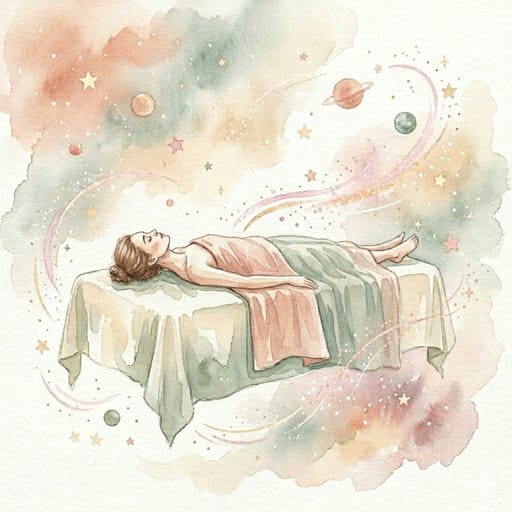
Once the active part of the practice ends, the quiet rest phase starts. This is the base for learning. It is vital for the woman to stay lying down. Deep stillness helps her nervous system process the touch drop.
This long time of silent watching is very important. Here is exactly where her body sorts out new feelings. The guide helps the woman by offering a safe space.
The resting woman can notice how her body feels. Her body shows total readiness to finish the arousal cycle. She learns to trust the deep inner calm state. This rest makes the long term learning much more stable.
Seeing Clear Events and Small Shifts
During this quiet resting time, a woman feels many bodily events.
Some women openly say they feel soft energy moving slowly. Other women report that their physical body vibrates strongly. Someone feel a gentle inner frequency deep inside the flesh. These events are never just random tiny muscle twitches. They are clear signs of deep inner energy shifts happening.
For some women, in this calm state, the normal body borders often melt away. This gives a huge feeling of spatial expansion and floating in the space. Such fine feelings show her nervous system absorbs the work. It proves her body is relaxing in a good way.
Facing Hidden Feelings with Good Support
The deep profound stillness acts as a totally clear mirror. As the physical body unwinds, hidden mental memories can rise. This natural floating action allows for a very safe space. The woman feels past complex emotions within a truly secure room.
This specific time is when deep personal thoughts often emerge. These sudden clear thoughts provide answers to inner struggles.
Her nervous system rests in a confirmed state of safety. Because of this, vivid mental pictures process very well now. They do not cause heavy mental stress for the woman. She feels totally secure and happy to rest.
Washing Away Oil and Moving to Reality
After the emotional journey hits a natural mental stop, things change. The slow gentle return to waking life must resume.
Giving the chance to take a warm water shower helps.
It is a practical step in closing the session. Washing away the massage oil assists the woman right away. She can physically leave the special learning space behind. This fresh washing routine guides her back toward daily reality.
Putting on regular clothes acts as a needed mental boundary. Dressing alone assists the woman in feeling fully ready. She prepares to step out into her normal daily life. Now she feels completely whole, deeply refreshed, and very clean.
Building Trust Through Open Post Talk
Once the relaxed woman is fully dressed, a talk begins. She must feel internally prepared to chat before this starts.
This open talk links the unseen touch with mental knowing. The verbal exchange serves as an open invitation to share. The woman can easily explain what she physically felt inside. She might explore specific vivid memories that popped up.
The guide must listen closely without judging anything at all. This talking process helps anchor vague body feelings into words. Creating this factual story highly improves the core physical learning. It bridges the gap between the body and the brain. The woman gains a clear sense of total control.
Knowing When Complete Silence is Best
A fully vital part of ethical teaching involves reading signs. You must know that some human feelings are too deep.
They are truly too deep for quick simple spoken words. It is vital to avoid pushing for answers. Every woman must hold the absolute personal choice to stay silent. Respecting this chosen silence acts as a highly helpful action.
The resting woman may truly prefer not to speak today. If so, the guide simply holds the safe quiet space. The quiet guide stays focused with gentle and quiet presence. Seeing that the inner mental process happens honors her journey. The right to complete privacy remains vital for trust.
Making the Learning Experience Very Clear
If the somatic learner does choose to speak, answer her. She will surely have some questions about the intense feelings. She might ask about the physical events she strongly felt.
The main focus remains on offering a totally solid frame. The guide supplies needed factual clarity based on proven rules. Such a talk is never about giving random life advice. You should never push any strange personal beliefs on her.
This frame must firmly empower the woman to feel safe. Clear and factual spoken answers help diminish any lingering confusion. Removing such annoying daily doubt is important for learning. It builds a solid bridge after intense emotional conditions.
Caring for the Body Over Next Days
As the formal learning session wraps up, give clear directions. Her nervous system often stays sensitive after deep work. Various sudden emotional waves may continue to unfold very soon.
Normal care steps strongly include drinking pure fresh water. At this point, the massage therapist must inform the woman that heavy feelings can show up later. If this happens, she should inform the massage therapist. The guide is always open to talk and offer support.
A physical condition known as a healing crisis may sometimes happen. It occurs very rarely after such deep inner feeling somatic body work.
The Final Step of Returning Safely
If strong emotions arise and tears continue, do not let her leave. You must give her plenty of time to cry safely. A perfectly ended session leaves the woman feeling totally grounded. She feels highly respected and fully relaxed after the rest.
Honoring the structured phases of silent resting maintains a secure room. This guarantees the learning experience remains completely safe. The careful final physical ritual acts as the ultimate step. It serves as the last stage of physical personal consent. It displays a clear goal to leave the woman happy. She must remain safely in a strong state of mental choice. Now she is ready to carry deep thoughts into normal life.
All the main stages of the practice are clearly shown in the online yoni massage course.