
History gives us many clues about the human body. Old books hold secrets that modern doctors are just learning. India had great ancient thinkers too.
One such wise man was Kalyanamalla. He was a brilliant sixteenth century writer. The poet wrote a famous book called the Ananga Ranga. This old text guides family life and physical love. It acts as a bridge through time. Such knowledge helps us see how people understood female physical parts long ago.
By reading his pages, we link ancient wisdom with modern body care. Kalyanamalla clearly mapped the female form long before modern science. His old words perfectly guide our new somatic studies.
The Life and History of Kalyanamalla
To truly understand this wisdom, we must look at its creator.
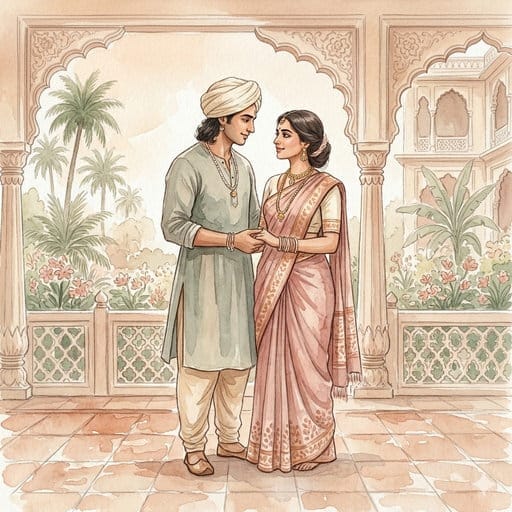
Kalyanamalla lived during the fifteenth and sixteenth centuries. He says he belongs to the proud Karpura family line. Historical texts describe him as a noble ruler. Records praise his noble fame and strong martial skills. He was a proud Karpura Kshatriya who loved arts and deep culture.
The ruler is also famous for writing the Suleiman Charitra. This unique work is a great mix of different cultures. He narrated an old tale in classical Sanskrit for his Muslim patron. This patron was a Lodhi prince named King Ahmad. An elegant mix of cultures shows his deep worldly wisdom.
The Ananga Ranga and the Safe Room
He knew that physical touch requires the right safe space. In one of his famous verses, he speaks about a fine room.
He tells readers to choose a courtyard that is high up. This space must be large, pleasant, and newly clean. It should be filled with sweet smells from aloe and fresh plants. The room must be filled with the sound of soft music. Bright lamplight should fill the space completely.
Here, let the man make love to the woman freely. This ancient advice matches the core rules of a modern yoni massage. Setting up a safe and calm room is always the very first step.
Finding the Ancient Saspanda Artery
The translation of his work shows fine details of the female shape. These precise details were written down long before modern health studies began.
Doctor Shashank Samak from Pune shared a great story at a medical meeting. He talked about how the ancient poet points to a very sensitive spot. This spot sits on the front wall of the vaginal canal. The old book says touching this exact place can spark deep passion. It also causes a natural flow of physical fluid.
In the original language, this area is called the saspanda artery. This tells us that ancient people viewed this zone as a vital energetic hub.
Kalyanamalla and the Grafenberg Spot
Doctor Samak trusts the deep wisdom found in the old text. He believes the saspanda artery matches a very famous physical area.
The doctor links the ancient spot described in the book to the modern Grafenberg spot. After his talk, he was very modest about his academic work. He clearly said he was just explaining an old text. There were no claims of a brand new medical finding.
He stressed that this deep knowledge was already in ancient books. His role was simply to bring the old wisdom into the modern light. This fresh view beautifully connects old body thoughts with new medical facts.
School Joy and Modern Proof
The ideas presented from the old book have deeply moved many modern leaders.
Professor Beverly Whipple is a famous expert in this field. She helped write a major book about female anatomy. When she heard about this ancient translation, she felt very happy. She said the finding of this old text is terribly exciting. Her strong support highlights the true value of comparing old texts with modern research.
Another expert, Dr. Chua Chee Ann, also shared his warm support for this idea. He noted that the ancient view makes a lot of sense. This academic joy proves that Kalyanamalla still has much to teach us today.
Science Tests and Careful Checks
Despite the happy news, these findings have met some strong pushback.
Doctor Sudhakar Krishnamurti argues that we must be careful with old translations. He states that another language expert must read the whole text carefully. They must translate it again to be entirely sure. Then, the new work must be printed in a formal medical journal.
This high level of strict review is greatly needed. It makes sure our modern ideas do not twist the old meanings. Until this careful check happens, many people in the medical field feel cautious. Science always asks for steady proof and highly clear physical facts.
The Sad Loss of Old Body Facts
The ancient words of Kalyanamalla show a deep grasp of the human form. Early traditions understood the living body very well. However, due to harsh rules and major cultural shifts, much was hidden.
This huge blank space in history explains a lot. It explains why finding deep pleasure often feels like a completely new challenge today. Ancient ground rules for female body care were laid down many centuries ago.
The big task we face right now is to slowly recover these lost insights. By doing careful work, we can bring ancient healing practices back.
Looking Past Fast Physical Pleasure
Learning about the ancient saspanda artery sparks a sense of true wonder. It suggests that we should not only focus on the places that feel good right away.
Instead, we must actively search and explore to find brand new deep sensations. This patient mindset is very helpful during any mindful touch practice. It helps guide the nervous system away from daily stress.
Moving the body toward a purely restful state is the main goal. By looking at the physical body as a vast mapped land, we can safely uncover hidden layers. These deeper states of deep awareness often stay completely asleep during our normal busy routines.
The Hidden Spot as a Body Door
When we think about physical touch, the internal spot is seen as a true gateway. Experts view this highly sensitive area as a deep internal door. Touching this exact spot with a calm mind can unlock deep emotional patterns. These patterns are held tightly in the human muscles.
Kalyanamalla talks about a sudden rush of deep passion. This old phrase might truly describe the fast movement of energy. It happens when old tension is met with a conscious touch.
This natural reaction confirms that he fully understood the close link between physical pressure points and deep emotional moods. Kalyanamalla left us a brilliant map for discovering true personal wellness.